Week 10
Reading Reflection
The Promise of Empathy: Design, Disability, and Knowing the “Other” by Daniela K. Rosner
This paper was a bit of a reality check for me because I've definitely viewed 'empathy' as just a box to check in the design process before. It’s a dense read, but the distinction between trying to 'be like' someone versus 'being with' them is a crucial ethical shift. It really makes me question the value of that “blindfold exercise” we discussed in class and pushes me to think about how to actually partner with users instead of just studying them. I was particularly struck by the “voting booth” case study, where the disabled advisors did the real work but the designers' simulation got the spotlight - it shows how easily we can take credit for others' lived experiences.
Gaver, Dunne and Pacenti, Cultural Probes
This was a super refreshing read compared to the standard data-driven user research methods we usually learn about; the idea of asking for 'inspirational data' instead of just information is really cool. That said, I’m a little nervous about how you actually translate such ambiguous, 'messy' returns into a concrete design without just projecting your own bias onto it, but I love the respect they showed the elderly participants by not treating them as “needy”. It’s fascinating how they used surrealism and ambiguity - like the map labeled “if Peccioli were New York” - to provoke the elders into seeing their own daily lives differently.
Hanington & Martin, Universal Methods of Design - 82. Storyboards
I found the breakdown of the five design practices really reassuring, especially the part about how stick figures can actually be more effective than realistic art because they focus the viewer's attention on the concept rather than the art style. It makes the idea of drawing a storyboard for our final project feel much less intimidating, and I can definitely see how using just 3-6 panels will force us to clarify our main concept without getting bogged down in unnecessary details. The example of the diabetes mentor storyboard really clicked for me—it showed how a simple narrative can explain a complex service interaction way better than a block of text could.
Background Research
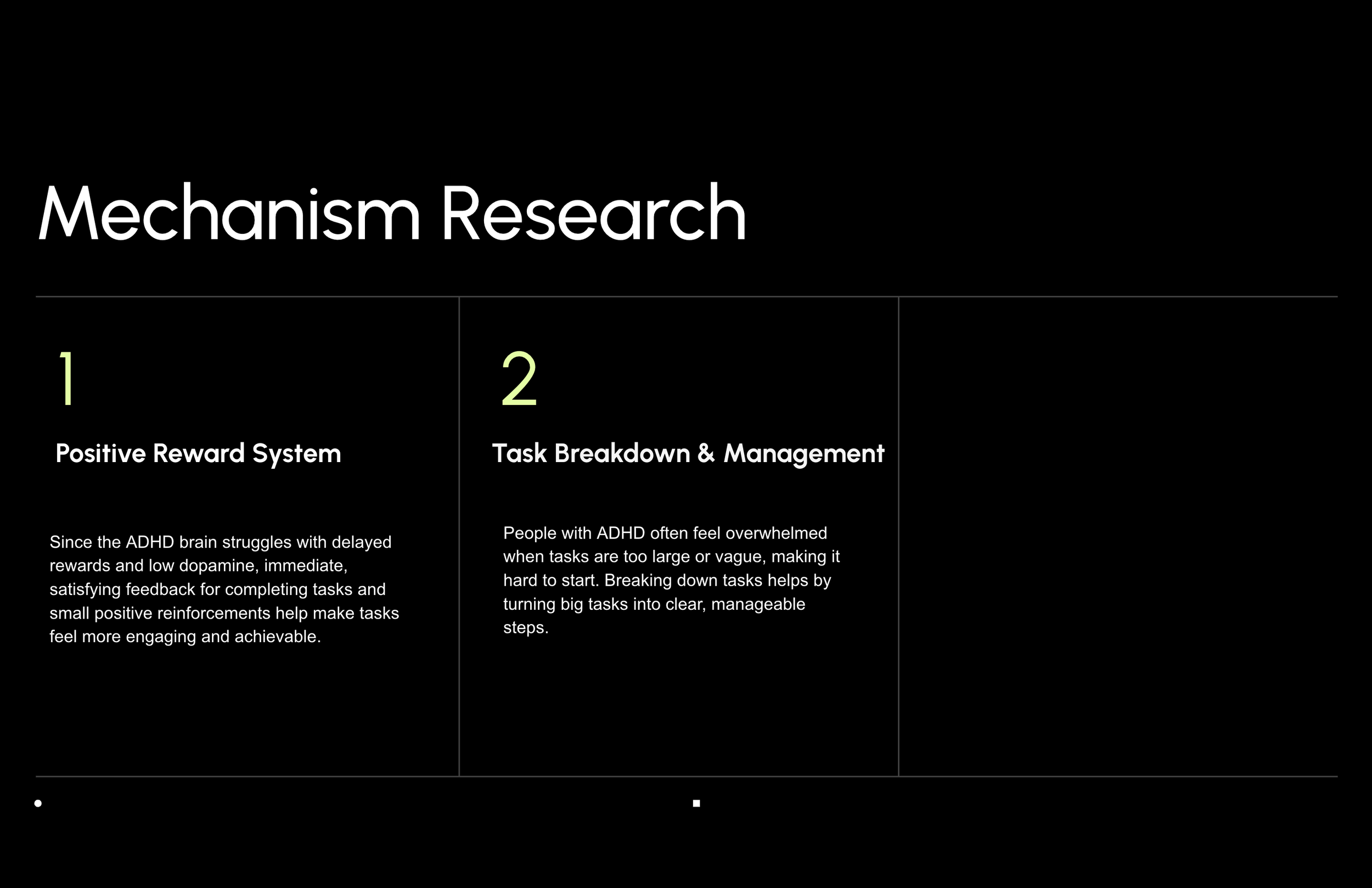
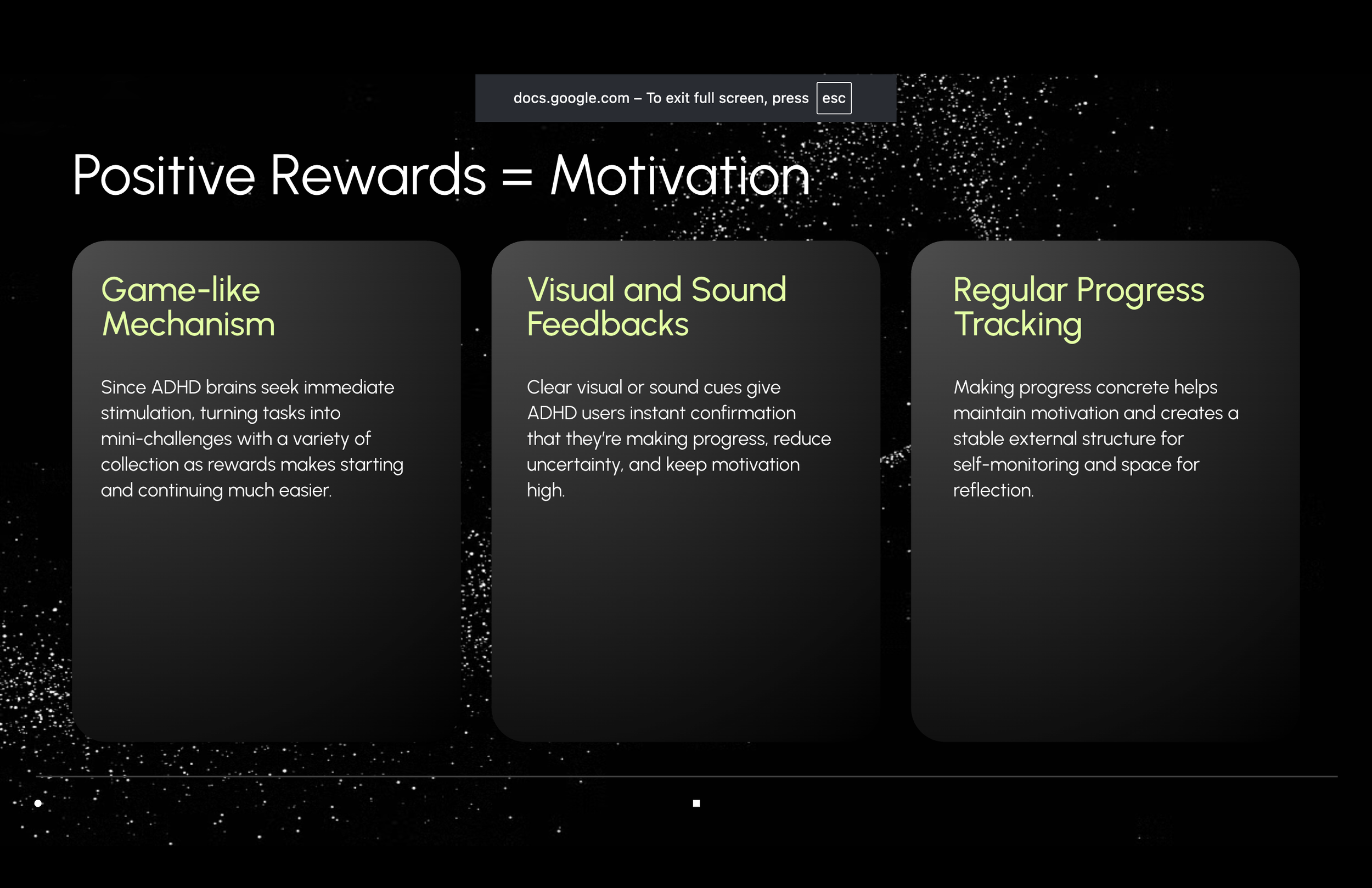
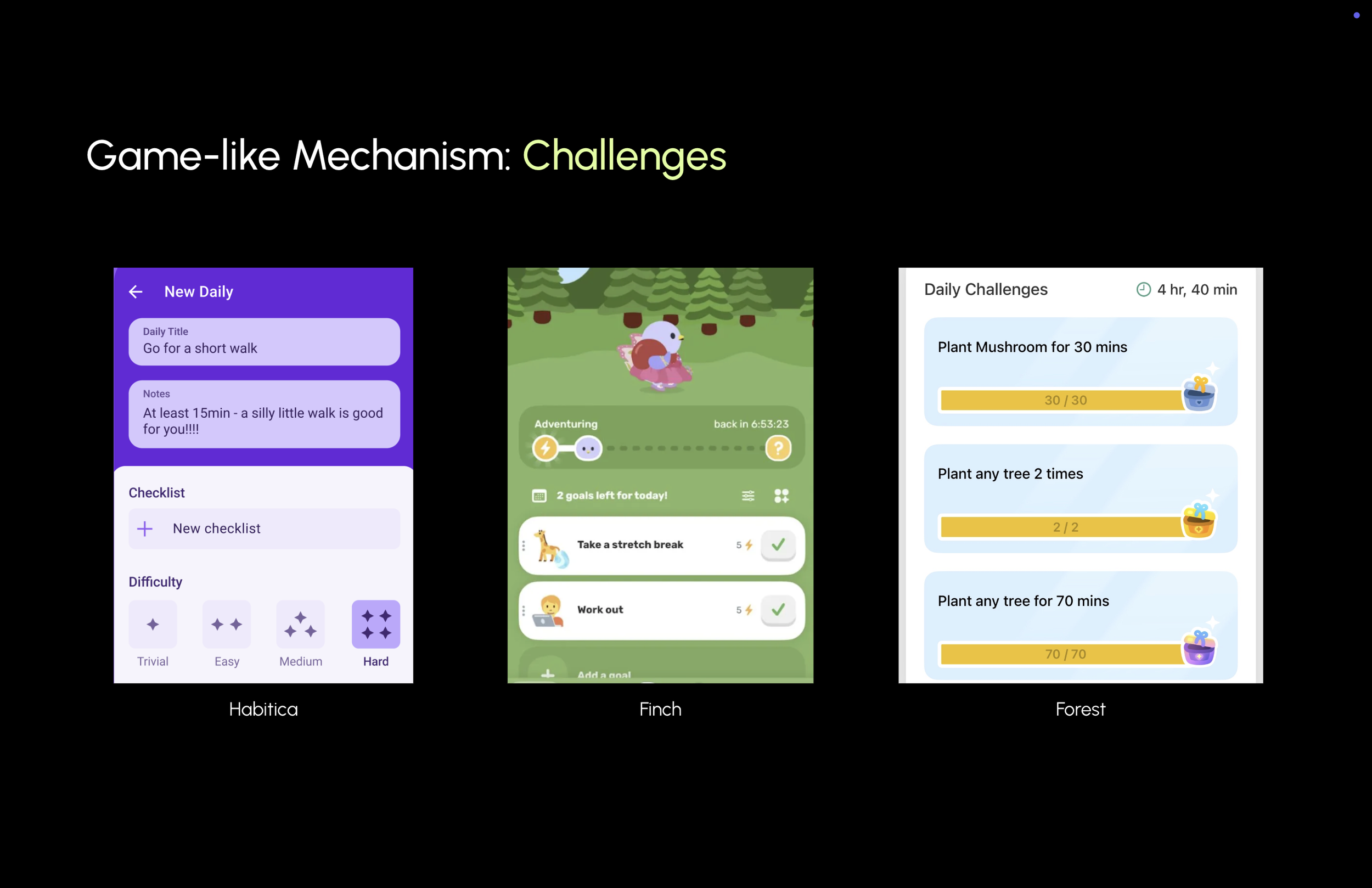
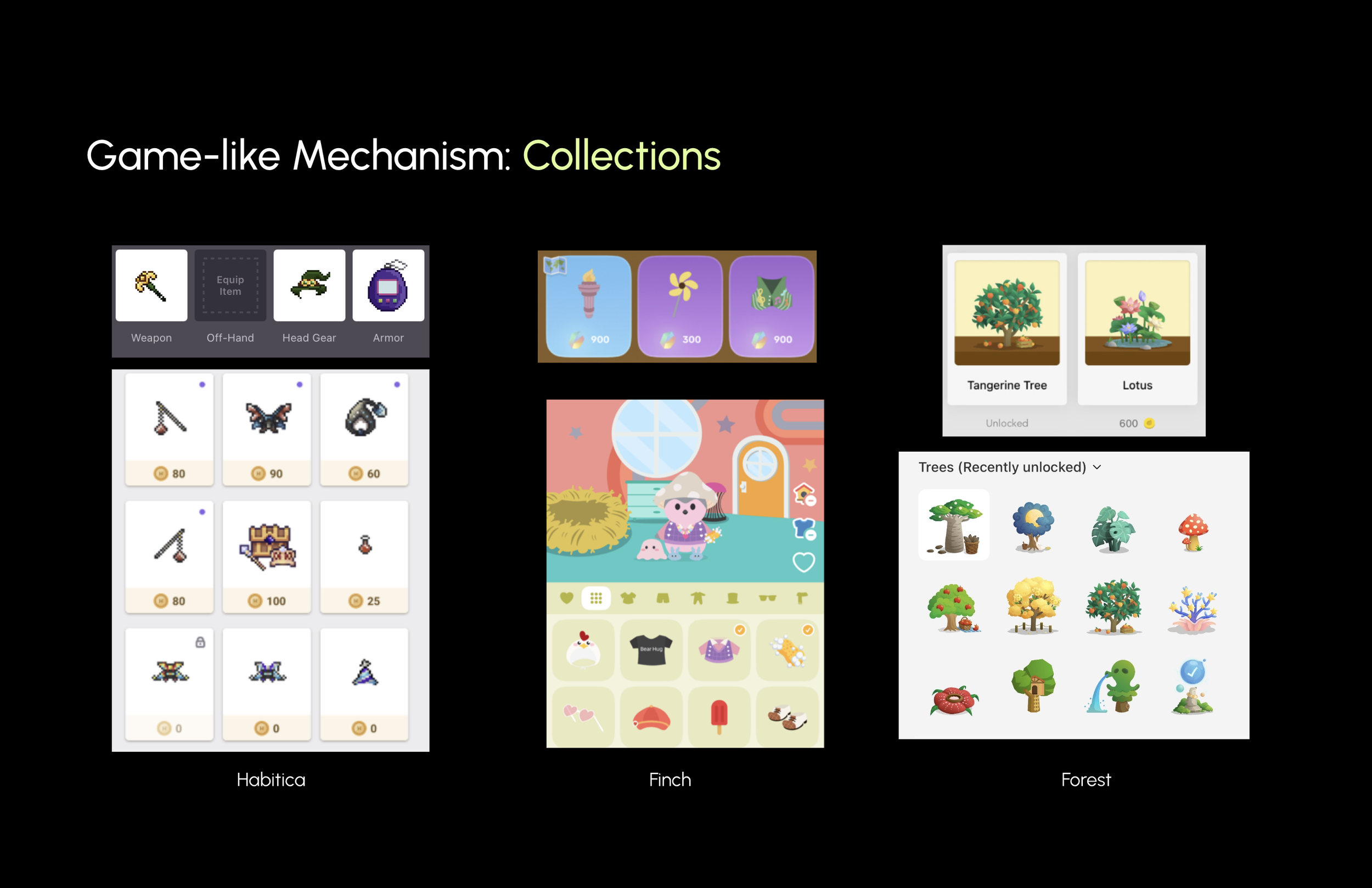
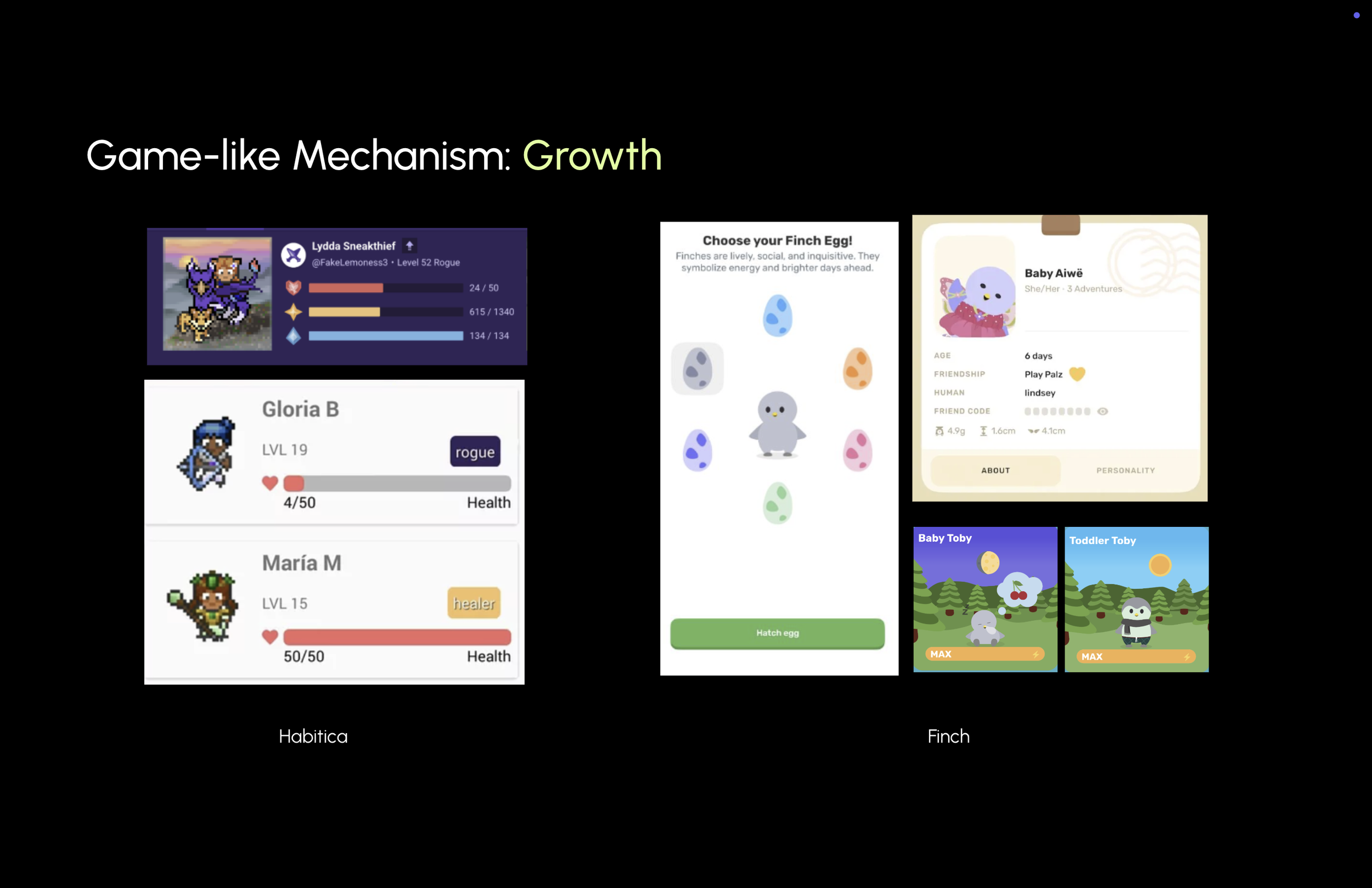
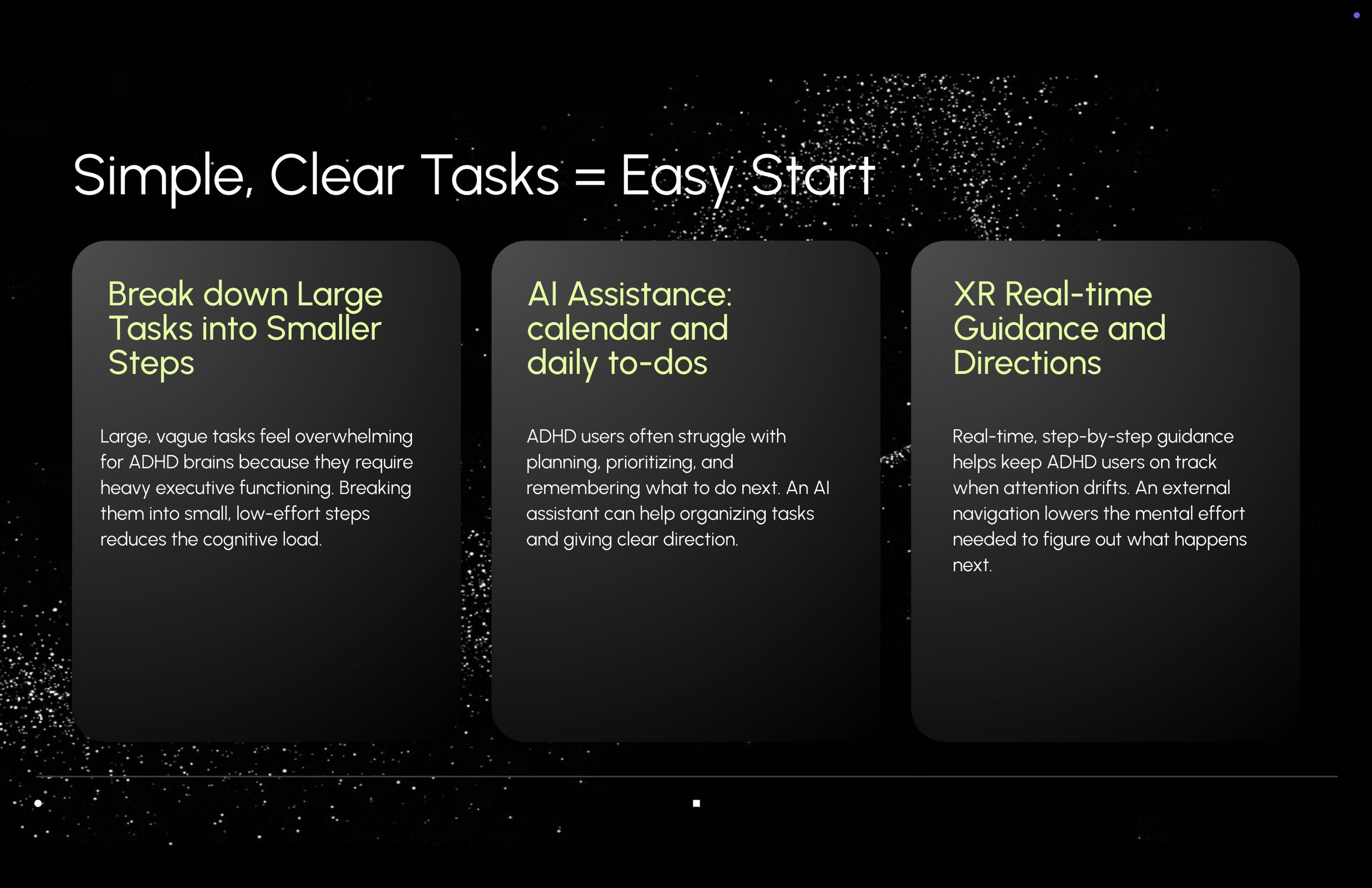
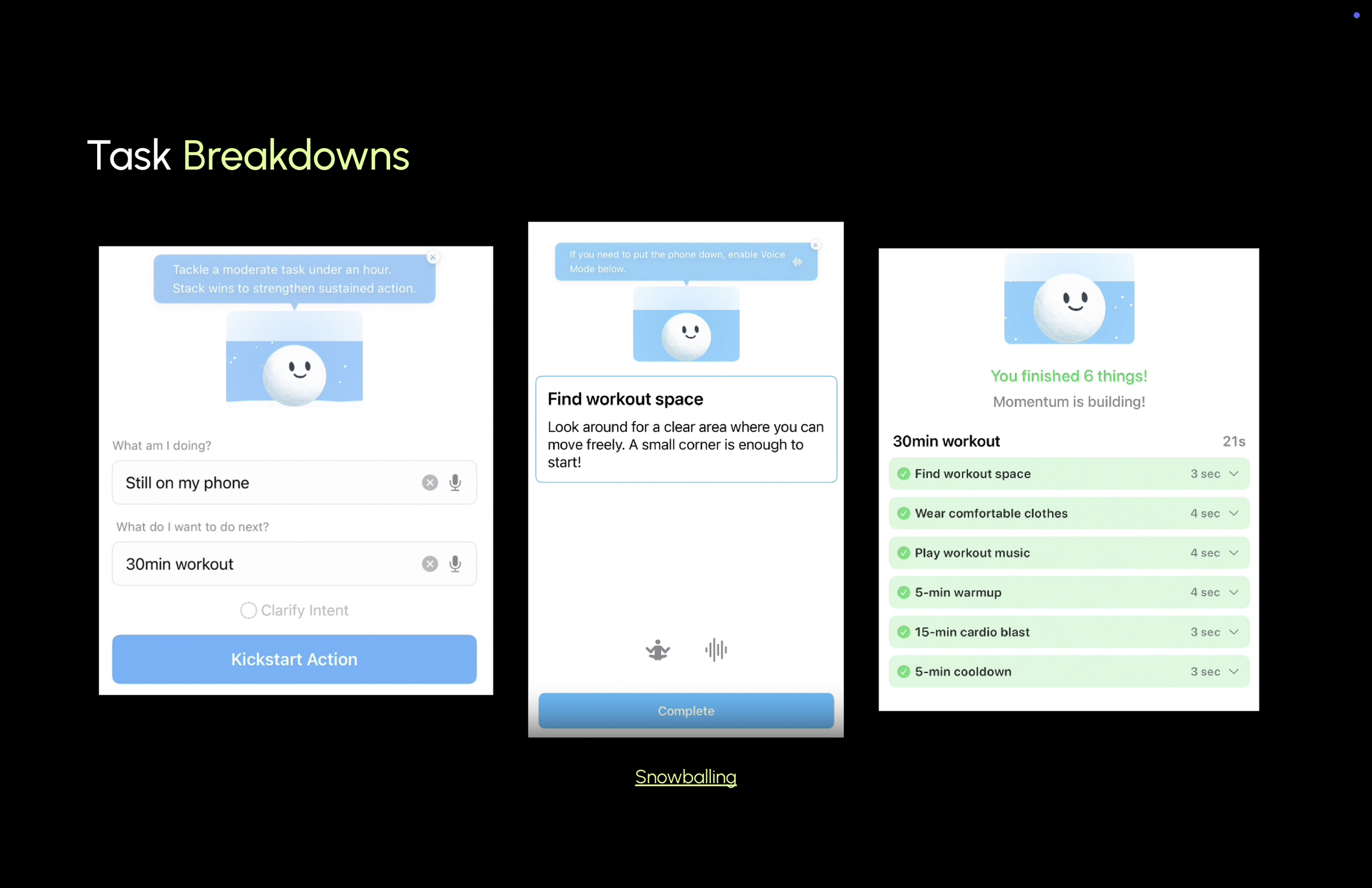
I took the role of mechanism research (game research) and studied existing game-like mechanics and systems that we can study from and build our product based on. I studied two parts of game-like mechanics: positive reward system and task breakdown, and I found some example of task management apps on the market.