
Reimagining IDM Learning Space: Research-based Spatial Design(Fall 2025)
In the Ideation & Prototyping course, our team redesigned the Informal Learning Space (ILS) on the IDM floor: the 3rd floor of 370 Jay St. These areas are more than just transit points; they are essential hubs where collaboration and deep focus should coexist. However, the existing layout often failed to meet these diverse needs. Our goal was to bridge the gap between spatial structure and student productivity through a research-based, human-centered design approach.
Research & Persona Development
The project began with an investigation into student preferences regarding study locations and peak focus hours. While my teammate conducted primary interviews, I led the secondary research, examining the importance of ILS design through the lens of cognitive psychology and brain science to understand how environmental factors influence productivity and concentration. We also benchmarked successful learning spaces at other universities. Based on this collective data, I developed a series of personas to quantify and align the specific spatial requirements of students with varying needs.
Prototyping & Iterations
After my teammate established a preliminary layout in Figma, I transitioned the project into Unreal Engine for high-fidelity prototyping. During this phase, I returned to the site with the Figma wireframes to gather feedback and conduct in-depth ethnographic observations. This allowed me to capture subtle behavioral patterns and pain points that were overlooked in the initial interviews. Integrating these field insights, I developed the first version of the Unreal Engine prototype. Following a round of playtesting, I implemented user suggestions to refine the spatial flow, resulting in the final high-fidelity interactive environment.
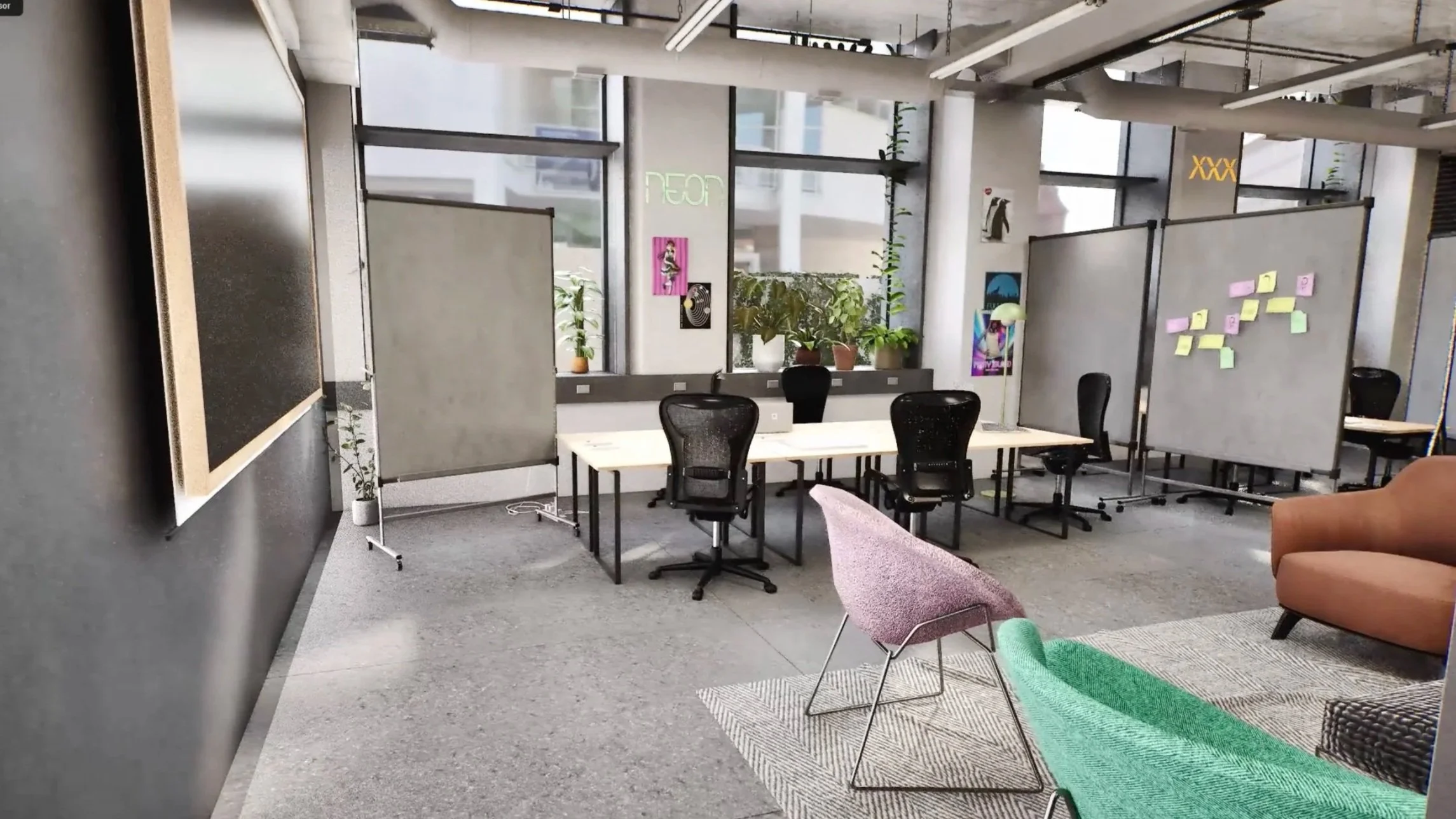
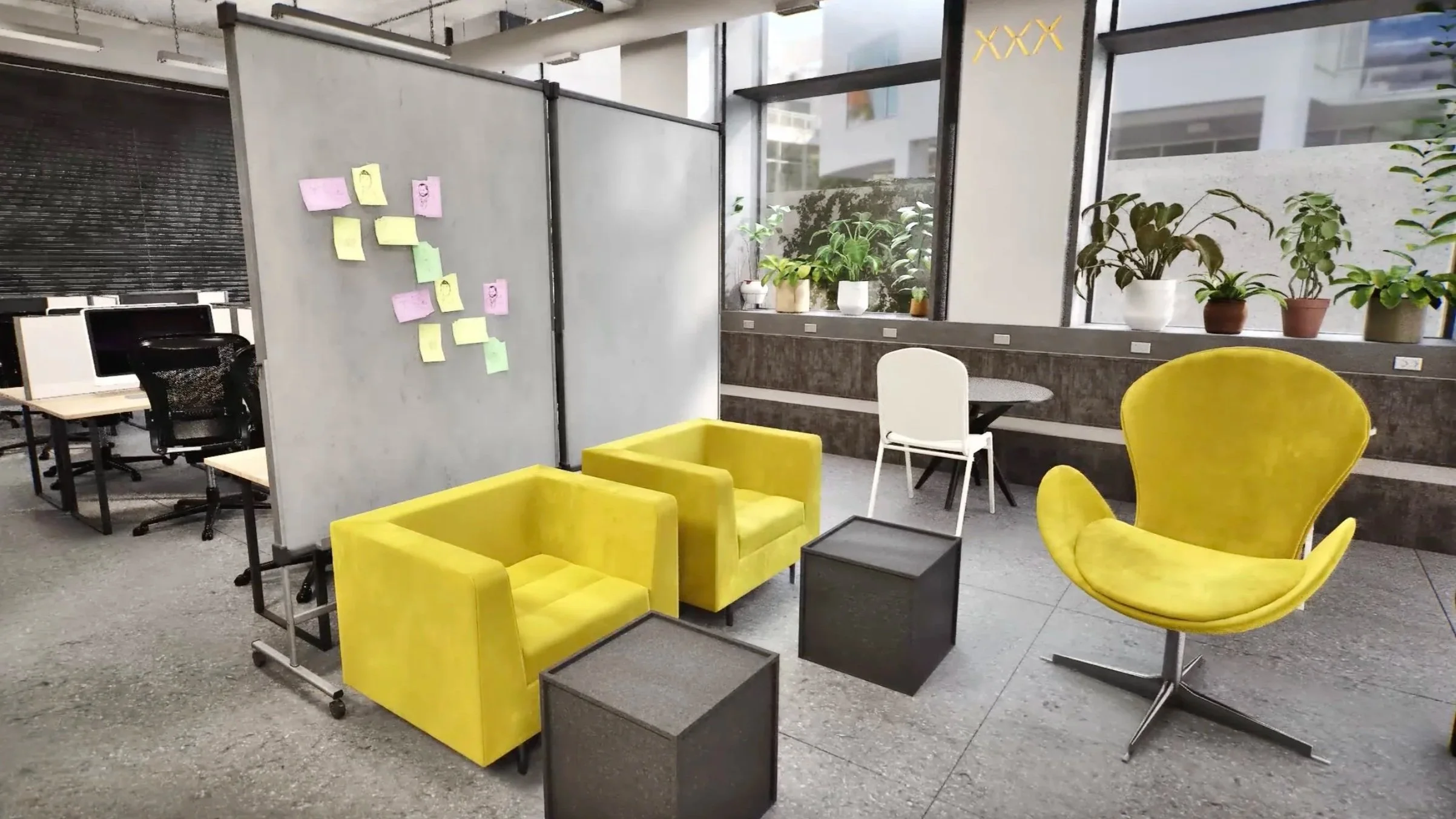
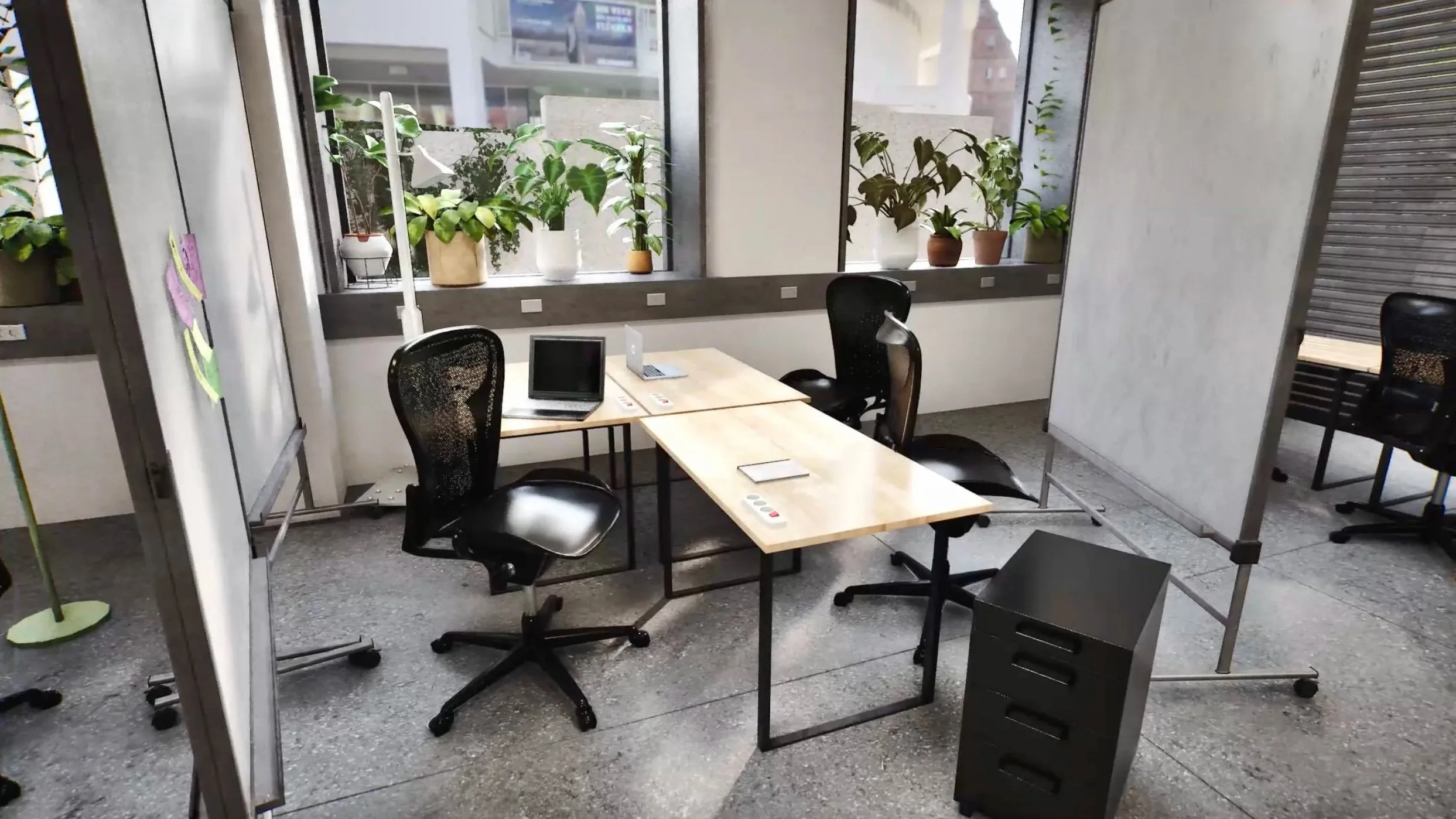
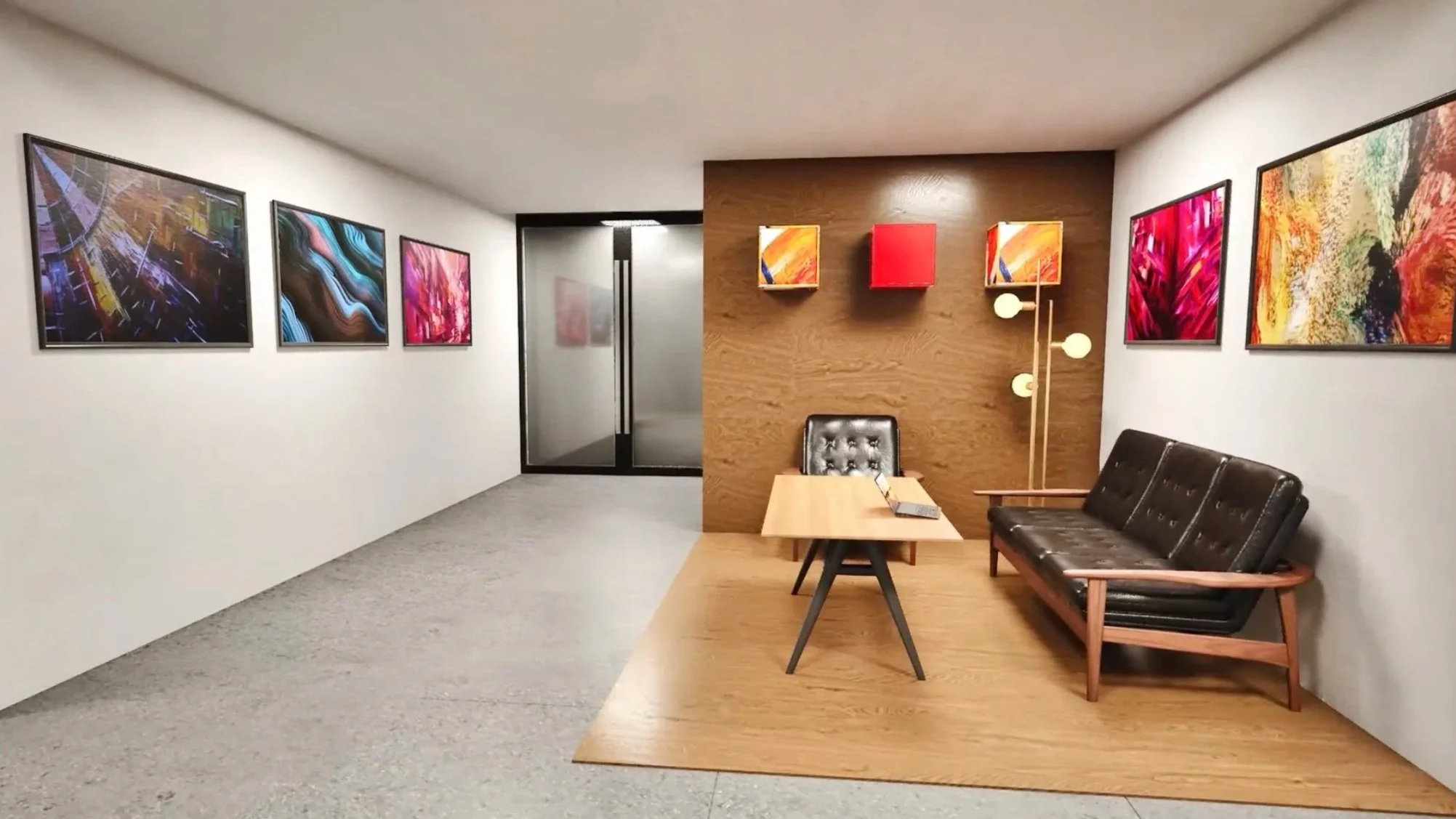
Final Prototype